
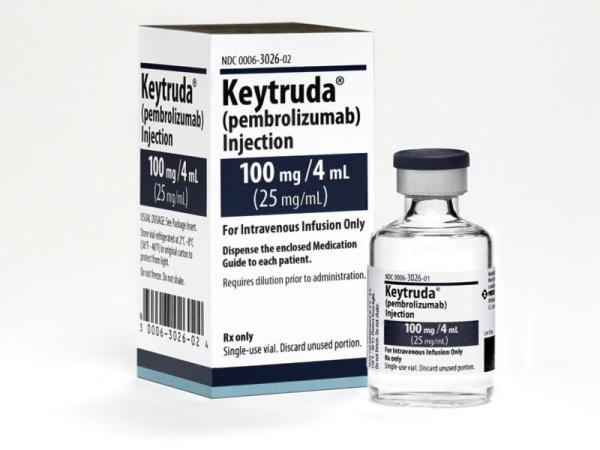
Description
Price of keytruda.
Keytruda (pembrolizumab) is an immunotherapy medicine used to treat many types of cancer, including non-small cell lung cancer, melanoma, triple-negative breast cancer, urothelial cancer, renal cell carcinoma, head and neck squamous cell carcinoma, cervical cancer, and others. It belongs to a class of drugs called PD-1 inhibitors, also known as immune checkpoint inhibitors. price of keytruda
Keytruda works by blocking the PD-1 (programmed death receptor-1) pathway on T cells, a type of immune cell. Normally, certain cancer cells can attach to PD-1 receptors on T cells to prevent detection and avoid destruction. By blocking this pathway, Keytruda allows T cells to recognize and attack cancer cells more effectively. Because it works through the immune system rather than targeting cancer cells directly, it is not chemotherapy.
Keytruda is given as an intravenous (IV) infusion over approximately 30 minutes, usually every 3 or every 6 weeks, depending on the cancer type and treatment regimen. In adults, the standard doses are 200 mg every 3 weeks or 400 mg every 6 weeks. In children, the dose is weight-based (2 mg/kg, up to 200 mg) every 3 weeks.
Keytruda has FDA approval for more than 20 cancer types, spanning over 30 individual indications, making it one of the most broadly approved cancer therapies available. Many approvals are supported by the KEYNOTE clinical trial program. Keytruda first received FDA approval on September 4, 2014, for unresectable or metastatic melanoma. Multiple approvals for additional cancer types and settings followed. There is currently no generic or biosimilar for Keytruda. price of keytruda
How does Keytruda work?
Keytruda (pembrolizumab) is a monoclonal antibody that works by blocking the PD-1 (programmed death receptor-1) pathway to help the immune system detect and destroy cancer cells.
- PD-1 receptors are found on T cells (T-lymphocytes), a type of white blood cell that normally detects and kills abnormal or foreign cells.
- Some cancer cells carry a protein called PD-L1 (programmed death ligand-1) on their surface. PD-L1 binds to PD-1 receptors on T cells, essentially switching them off and allowing the cancer cells to evade destruction.
- Keytruda binds to the PD-1 receptor, blocking the cancer cell’s ability to switch off T cells. This restores the T cell’s ability to recognize and attack the cancer.
- Because this mechanism acts on the immune system broadly rather than on a specific cancer target, it can also affect normal healthy tissues, causing immune-related side effects.
Keytruda belongs to the drug class known as PD-1 inhibitors, or immune checkpoint inhibitors. It may also be described as an anti-PD-1 monoclonal antibody. A clinical response to Keytruda is typically seen within 2 to 4 months of starting treatment, though this varies by cancer type and individual.



Reviews
There are no reviews yet.